
The Art of Coffee Roasting: From Light to Dark, and What It Means for Your Cup
Coffee roast levels play a major role in shaping a coffee’s taste, aroma, and overall character. The roasting process transforms green coffee beans into the aromatic beans we know, developing the flavors that ultimately define what we taste in the cup.
Understanding the different coffee roast levels helps explain why some coffees taste bright and delicate, while others are smooth, rounded, or rich and intense. Light, medium, and dark roasts each highlight different characteristics, but the final flavor also depends on the beans themselves and on how they are roasted
What Happens During Coffee Roasting?
Before roasting, green coffee beans look and smell very different from the coffee we know. As they are exposed to heat, they lose moisture, expand, change color, and develop the compounds responsible for their familiar aromas and flavors.
Two important stages help roasters monitor this transformation:
- First Crack: The beans expand and emit a distinct cracking sound as internal pressure builds. This stage is important in roast development.
- Second Crack: As roasting continues, the beans undergo further structural changes and produce another cracking sound. This stage is associated with darker roast development.
Roasting timing and duration affect the coffee’s final color, aroma, acidity, and flavor.
Understanding the Three Coffee Roast Levels
The three main coffee roast levels are light, medium, and dark. Each offers a different balance of the coffee’s natural characteristics and flavors developed during roasting.
Light Roast Coffee
Light roast coffee is roasted for a shorter time, preserving more of the characteristics associated with its origin and variety.
Its flavor profile can include fruity, floral, and citrus notes, often accompanied by brighter acidity and a lighter body. Light roasts are especially appreciated by coffee drinkers who enjoy exploring the distinctive characteristics of different coffee origins.
Medium Roast Coffee
Medium-roast coffee balances the beans’ natural character with the flavors developed during roasting.
It commonly features a rounded body, balanced acidity, and notes of chocolate, nuts, caramel, or cocoa. Its versatility makes it a popular choice for espresso, filter coffee, and moka pot brewing.
However, medium roast doesn’t make every coffee taste the same. The bean varieties and blend composition significantly shape the final cup.
Dark Roast Coffee
Dark roast coffee is roasted longer, developing deeper, more pronounced roasted flavors.
Depending on how dark it is roasted, its profile may include dark chocolate, toasted nuts, spices, and smoky notes. Acidity is usually less noticeable, while bitterness and roasted flavors may become more pronounced.
Dark roasts are often associated with traditional Italian espresso, but a darker roast does not necessarily mean the coffee is better or stronger.
How Coffee Roast Level Influences Your Cup
Roast level influences several characteristics that shape the coffee experience.
- Acidity: Light roasts generally retain brighter, more pronounced acidity, while darker roasts tend to have a less pronounced acidic character.
- Body: The perceived body can range from light and delicate to fuller and heavier. Both roast development and the coffee blend influence this trait.
- Sweetness: Roasting develops aromatic compounds that contribute to the perception of sweetness, such as caramel-like and chocolate notes.
- Bitterness: More developed roasts can produce stronger roasted and bitter notes, particularly when roasting goes beyond the desired profile.
These characteristics do not depend on roast level alone. Coffee variety, origin, blend composition, and brewing method all contribute to the final taste.
How Borghi Approaches Coffee Roasting
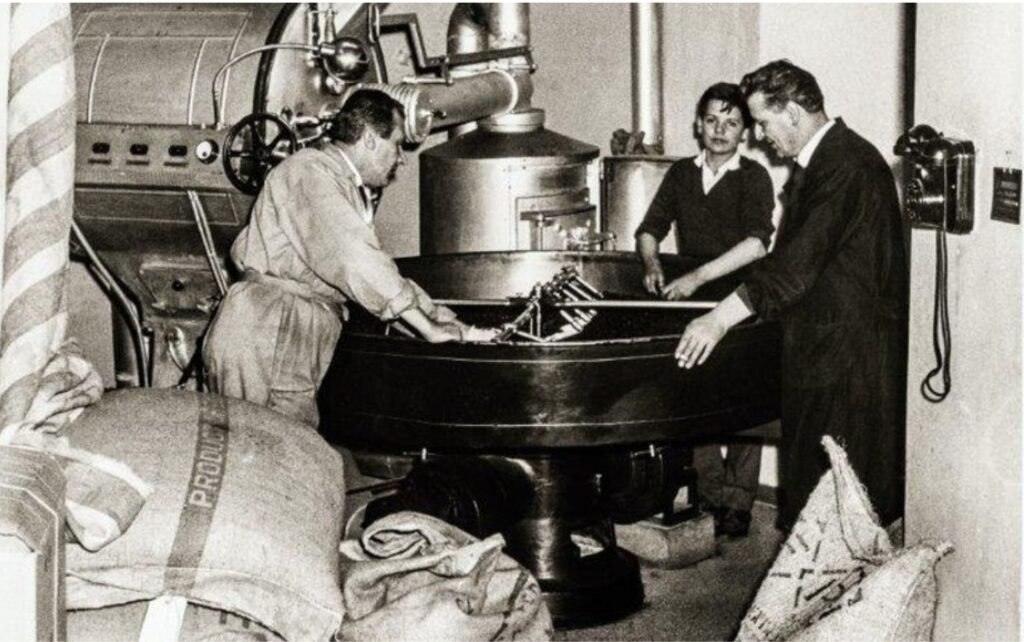
At Borghi, we roast each coffee variety with careful attention to its unique characteristics.
Arabica and Robusta respond differently to heat, so Borghi roasts them separately before blending. Each variety can develop according to its own characteristics, helping achieve the desired balance in the finished coffee.
After roasting, the beans are rapidly cooled with an air-cooling system. Once cooled and stabilized, the varieties are blended, then allowed to rest under controlled conditions before the coffee reaches the final stage of preparation.
This approach reflects Borghi’s traditional roasting philosophy, grounded in decades of experience and a commitment to consistency.
One Roast Level, Different Coffee Experiences
A medium roast doesn’t make every coffee taste the same. Although roast level affects how flavor and aroma develop, the blend’s composition is equally important in shaping the final cup.
The proportions of Arabica and Robusta, along with each variety’s characteristics, create different combinations of body, aroma, intensity, and crema, even when the coffees share the same roast level.
This is easy to understand when comparing two blends from the Borghi collection.
Borghi Super Crema combines 70% Arabica and 30% Robusta. The higher Arabica proportion adds aromatic complexity and sweetness, while Robusta adds body and helps develop a rich, persistent crema. The result is a full-bodied espresso with notes of chocolate and roasted nuts, low acidity, and a smooth, rounded finish.
Borghi Qualita Oro, on the other hand, uses a 50% Arabica and 50% Robusta blend. This different balance creates a distinctive profile, with cocoa and chocolate notes complemented by aromas of roasted malt and bread crust. It offers a medium-full body, creamy crema, and a slightly more pronounced, long-lasting finish.
Both blends are medium-roasted, but their different compositions produce two distinct coffee experiences.
This is why roast level alone cannot tell you everything about a coffee. The beans selected for a blend, their proportions, and how they are roasted together ultimately determine its character.
Coffee Roast Levels: Frequently Asked Questions
What is the difference among light, medium, and dark roast coffee?
The main difference is the degree of roasting and how it influences flavor. Light roasts tend to have brighter acidity and more noticeable origin characteristics. Medium roasts offer a balance of sweetness, body, and aroma, while dark roasts develop deeper, more pronounced roasted flavors.
Which coffee roast level is the strongest?
Dark roasts often taste bolder because of their pronounced roasted flavors. However, a stronger taste does not necessarily mean more caffeine. The perceived strength of coffee also depends on the blend, coffee dose, grind size, and brewing method.
Does dark roast coffee have more caffeine than light roast coffee?
No. Roasting does not significantly increase coffee’s caffeine content. However, because beans lose weight and change density during roasting, caffeine levels can differ depending on whether you measure coffee by weight or volume.
Is medium-roast coffee good for espresso?
Yes. Medium roast coffee is a versatile choice for espresso, balancing body, sweetness, acidity, and aroma. The final result also depends on the blend and how you extract it.
Choosing the Right Roast for Your Brew
Pairing roast with brew method can elevate your coffee:
- Espresso: Medium-dark roasts shine, offering richness and crema.
- Pour-over: Light to medium roasts highlight delicate fruit and floral notes.
- Cold brew: Medium-dark or dark roasts deliver smooth, chocolate-forward flavors that hold up to ice.
The Final Sip
Coffee roast levels help explain how roasting shapes a coffee’s flavor, aroma, and body. But the roast is only one part of the story.
Bean selection, each bean’s characteristics, and how they are blended all influence the final result.
At Borghi, the goal is to bring out the best in each coffee variety and to create balanced blends with their own distinctive character.
Great coffee is not simply about choosing a light, medium, or dark roast. It is about understanding what goes into the cup and finding the flavor you enjoy.